

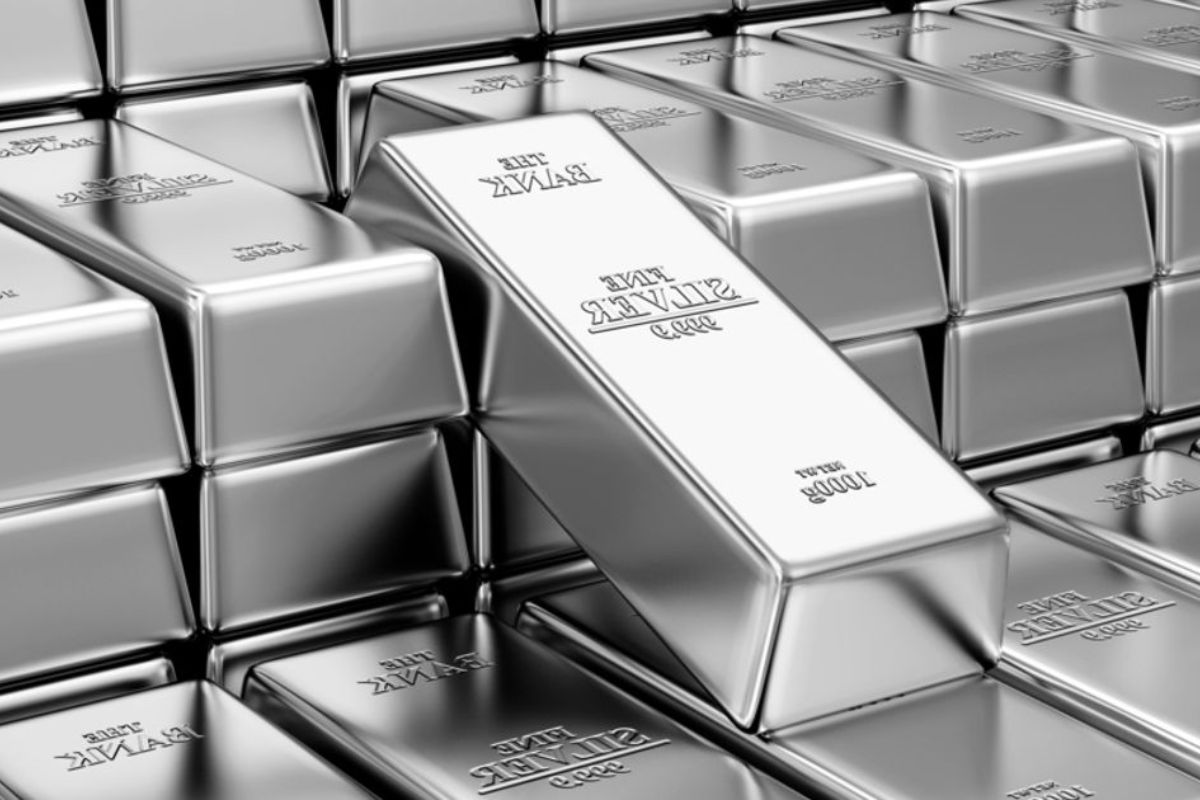
Silver Prices Crash After Record Highs: Silver prices tumbled hard this week, stunning investors and wiping out days of earlier gains. After racing to record highs just last week, the shiny metal suddenly lost its balance and fell fast, showing just how risky and emotional financial markets can be.
During Asian trading hours, silver dropped as much as 17%, falling toward $73 an ounce before recovering slightly. By mid-morning in Europe, it was still down about 11%. In just a few days, silver has fallen more than one-third from its all-time high, marking one of the sharpest reversals the metal has ever seen.
This dramatic fall comes after months of excitement around precious metals like silver and gold. Many investors had piled in, believing prices would keep rising. Instead, the sudden drop has reminded everyone that markets can turn quickly.
Why Silver Fell So Fast After Rising So High
Silver’s big fall didn’t happen for just one reason. Several things came together at the same time.
Over the past year, silver prices soared as investors looked for safer places to put their money. Worries about wars, global politics, and the strength of the U.S. dollar pushed people toward precious metals. At the same time, investors in China and other regions began buying heavily, hoping to profit from rising prices.
Also read: Ford’s Garage Opens New Franchise Restaurant in Sanford, Florida
But the rally may have gone too far, too fast.
When the U.S. dollar started to strengthen again last week, it put pressure on commodities like silver and gold. A stronger dollar usually makes metals more expensive for buyers using other currencies, which can reduce demand.
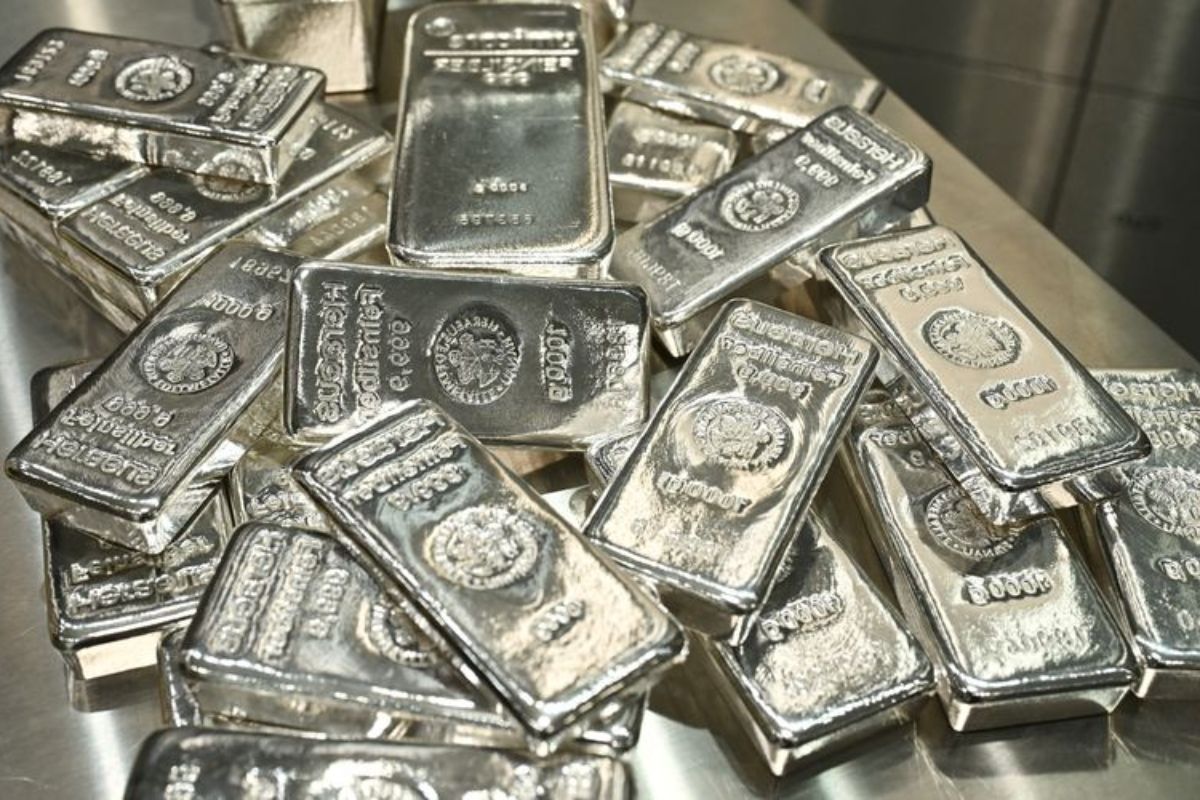
Once prices started slipping, many investors rushed to sell. This caused a chain reaction. As prices fell, even more selling followed, leading to silver’s biggest one-day drop ever on Friday. Gold also suffered, falling the most it has since 2013.
Silver is known for being more jumpy than gold because its market is smaller. That means big trades can move prices quickly. This time, heavy speculation and thin trading made the swings even more extreme.
Panic Spreads to Other Metals and Markets
The sharp fall in silver didn’t stay contained. It quickly spread fear to other metals and markets.
Copper prices dropped as much as 1.5%, slipping below $13,000 a ton. Gold fell up to 3.5% in choppy trading. Platinum and palladium also moved lower.
Banks that handle precious metals trading in London struggled to keep up. Because prices were moving so wildly, holding positions — even for a short time — became risky. Some traders said it was hard to find buyers or sellers willing to make deals.
Higher metal prices earlier this year also strained credit limits for trading desks. With less money available to trade and fewer people willing to take risks, markets became even thinner. That made every price move feel bigger and scarier.
Much of the selling was tied to investment products like exchange-traded funds and options. When prices started falling during Asian trading hours, automated selling kicked in, pushing prices down further and faster.
What the Federal Reserve Has to Do With It All
Now, investors are watching the Federal Reserve closely.
President Donald Trump recently said he nominated Kevin Warsh as the next Fed chair because he supports lower interest rates. Lower rates usually help gold and silver, because these metals don’t pay interest, making them more attractive when rates fall.
That’s why some analysts believe the current chaos may not last forever.
Experts say prices are likely to stay bumpy until there is more clarity about future interest rates. Some investors are pulling money out of metal-backed funds for now, but many believe the long-term reasons for owning gold and silver haven’t disappeared.
One strategist noted that if silver falls below $70 an ounce, it could scare markets even more. Silver hasn’t traded in the $60s since December, and returning there could deepen fears across stocks and commodities.
For now, silver continues to swing sharply as traders try to decide whether this is just a pause — or the start of something bigger.
Do you think silver and gold will bounce back after this crash, or has the bubble finally burst? Share your thoughts in the comments below.
News in Brief: Silver Prices Crash After Record Highs
Silver prices suffered a dramatic collapse this week, plunging more than 30% from record highs and shocking investors. The selloff was driven by a stronger U.S. dollar, heavy speculation, thin trading, and panic-driven selling that snowballed once prices began to slip. Automated trades and withdrawals from metal-backed funds worsened the fall, making it silver’s sharpest reversal on record. The crash spilled into other metals like gold, copper, platinum, and palladium, spreading fear across markets. While volatility remains high, investors are now watching the Federal Reserve closely, as future interest rate decisions could determine whether precious metals stabilize or fall further.
Author’s POV
From my perspective, silver’s sudden plunge is a sharp reminder of how emotionally driven and fragile financial markets can be. After weeks of excitement and fast gains, the selloff shows how quickly confidence can flip into fear, especially in thinner markets like silver. This move doesn’t erase the reasons many investors were drawn to precious metals in the first place, but it does highlight the risks of chasing momentum. Extreme swings like this expose how speculation, automated trading, and crowded positions can amplify volatility, turning small shifts into dramatic reversals.
Disclaimer: This author’s POV is for informational purposes only and should not be considered financial or investment advice.
Read More: Gold and Silver Comeback After One of the Wildest Market Drops in Years

