

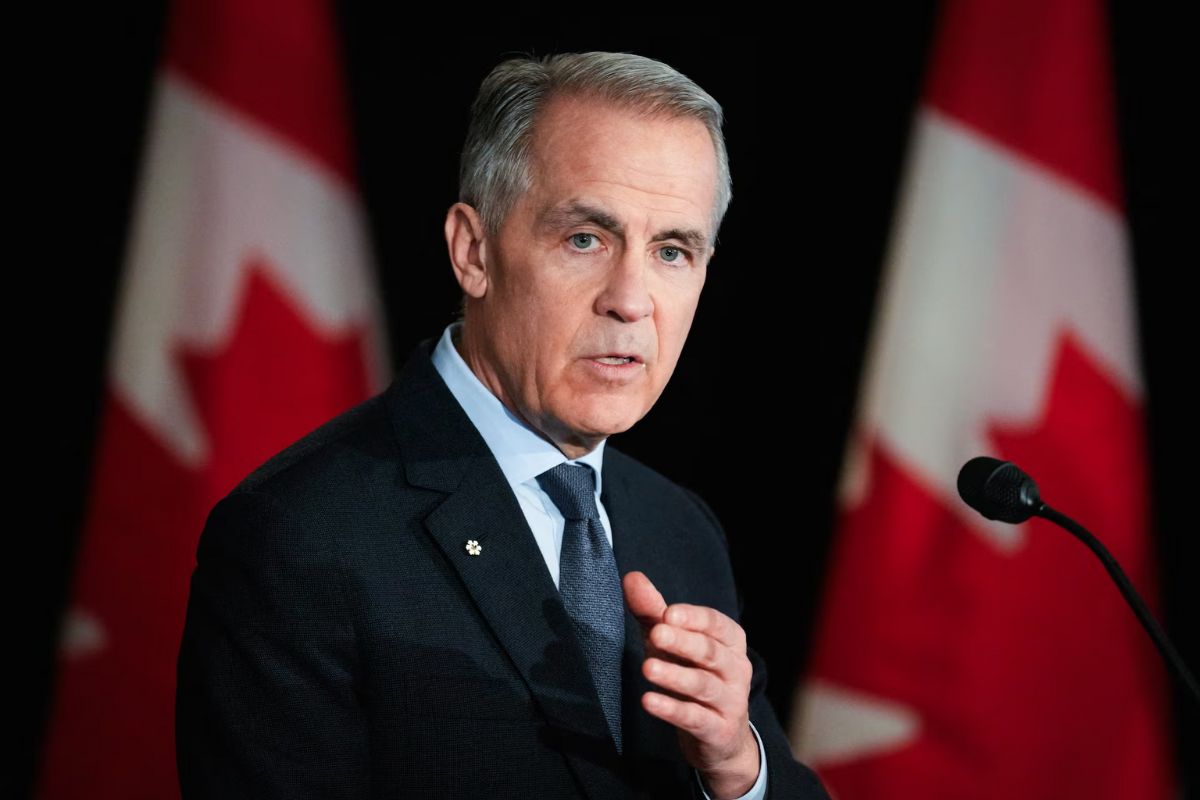
BUSINESS NEWS-: (Canada Invests Billions in Electric Cars) Canada’s Prime Minister, Mark Carney, has announced a bold new plan to spend billions of dollars to support car companies that invest in electric vehicles. Speaking at an auto parts factory near Toronto, Carney said the goal is to turn Canada into a global leader in electric cars and reduce the country’s dependence on the United States.
Carney made it clear that recent actions by U.S. President Donald Trump have forced Canada to rethink its future. Trump has placed a 25 percent tariff on Canadian-made vehicles and repeatedly said he wants cars sold in the U.S. to be built only in America. Since nearly 90 percent of Canada’s cars are sold to the U.S., this has created serious problems for Canadian workers and factories.
“We must take care of ourselves,” Carney said. “We cannot control what others do.”
Canada’s auto industry employs around 125,000 people and plays a huge role in the economy. Carney believes electric vehicles are the best path forward, not just for jobs, but for Canada’s long-term independence and growth.
Electric Vehicles Become Canada’s New Economic Shield
The new plan offers tax breaks, cash incentives, and investment credits to companies that build electric vehicles or batteries in Canada. The government will also provide 3 billion Canadian dollars to help fund new factories and equipment.
Instead of forcing automakers to sell only zero-emission vehicles by 2035, a rule many companies disliked, Carney removed the mandate. In its place, the government introduced tougher pollution standards for all vehicles. Officials estimate that these rules will naturally lead to 90 percent of car sales being electric by 2040.
Canada is also bringing back electric vehicle rebates for consumers. Buyers can get up to 5,000 Canadian dollars back when purchasing an electric car, making them more affordable for families. However, Chinese-made electric vehicles will not qualify for these rebates.
Carney also introduced a creative idea. Car companies that build vehicles in Canada will earn special credits. These credits can be sold to other automakers, allowing them to import foreign-made vehicles into Canada without paying extra taxes.

Trade groups representing Ford, General Motors, Toyota, and Honda welcomed the plan, saying it gives companies confidence to keep investing in Canada.
Canada Looks Beyond the U.S. for New Partners
While Canada still hopes to repair free trade with the United States, Carney admitted that Trump may not agree. As a result, Canada is actively looking for new global partners.
Recently, Canada agreed to allow a small number of Chinese electric vehicles into the country at lower tariffs, despite keeping a high overall tax on them. Soon after, Canada signed a deal with South Korea that could lead to new car and battery factories being built on Canadian soil.
This shift could hurt U.S. automakers, who are already losing ground in Europe and Asia. Experts warn that if the U.S. avoids electric vehicles for too long, it may fall behind the rest of the world.
Canada’s auto factories are mostly located in Ontario. While American car companies once dominated production, Toyota and Honda now make up nearly three-quarters of Canada’s vehicle output.
Since Trump returned to office, thousands of Canadian auto jobs have been lost. Stellantis moved Jeep production out of Ontario, and General Motors recently laid off hundreds of workers and closed an electric van plant.
Carney says Canada cannot wait around. “This is what a confident country does,” he said. “We build our future, no matter what.”
The Bigger Business Signal Behind Canada’s EV Move
What makes this moment stand out is not just Canada’s push into electric vehicles—it’s how quickly economic strategy has turned into national defense. Electric cars are no longer just about climate goals or innovation. For Canada, they are becoming a tool to protect jobs, secure supply chains, and reduce exposure to political risk from its largest trading partner.
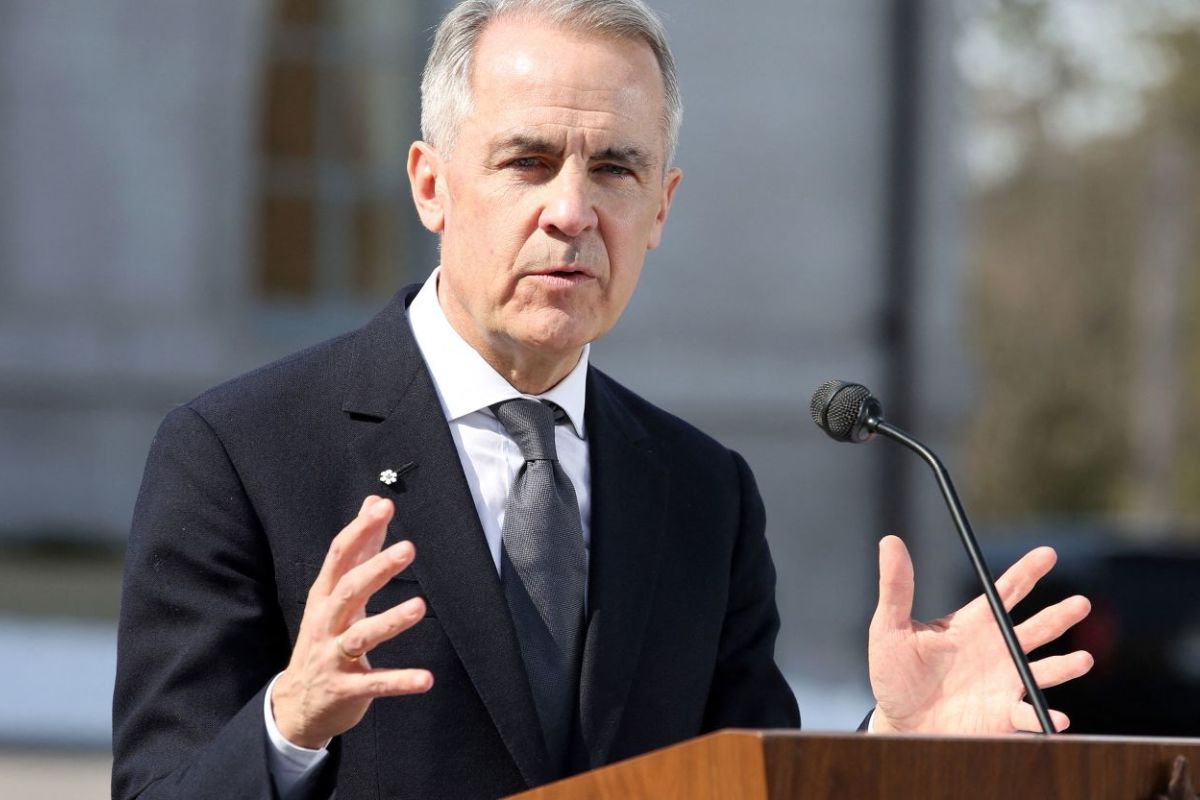
In today’s global economy, trade policy can change overnight. Countries that control their manufacturing future gain leverage, while those that wait are forced to react. Canada’s EV bet is less about beating competitors and more about not being cornered again.
Whether the gamble pays off will depend on execution—but the message is clear: economic independence now matters as much as economic growth.
News in Brief :Canada Invests Billions in Electric Cars
Canada’s Prime Minister Mark Carney has unveiled a multibillion-dollar plan to boost electric vehicle production and reduce reliance on the U.S. after new American tariffs hit Canadian-made cars. The strategy includes tax breaks, cash incentives, EV rebates, and funding for factories, while removing strict EV sales mandates in favor of tougher emissions rules. Canada is also seeking new global partners, including South Korea, as auto job losses mount. Carney says the shift toward electric vehicles is essential to protect jobs, strengthen economic independence, and secure Canada’s long-term future.
Do you think Canada’s big push into electric vehicles will protect jobs and grow the economy, or is it a risky gamble? Share your thoughts in the comments below.
Read More : 7 Brew Coffee Franchise Investment, Growth Plans, and Openings 2026 Strategy.
Read More : Trump Says Inflation Is Under Control but Prices Still Test Families

